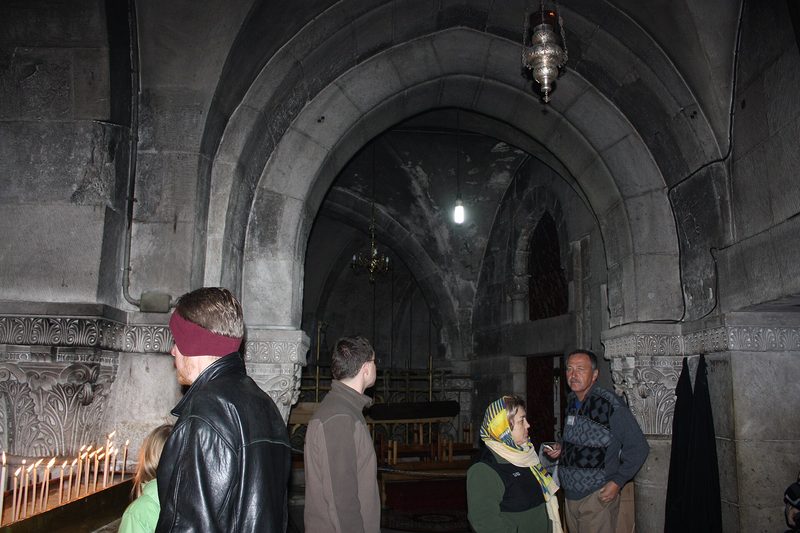
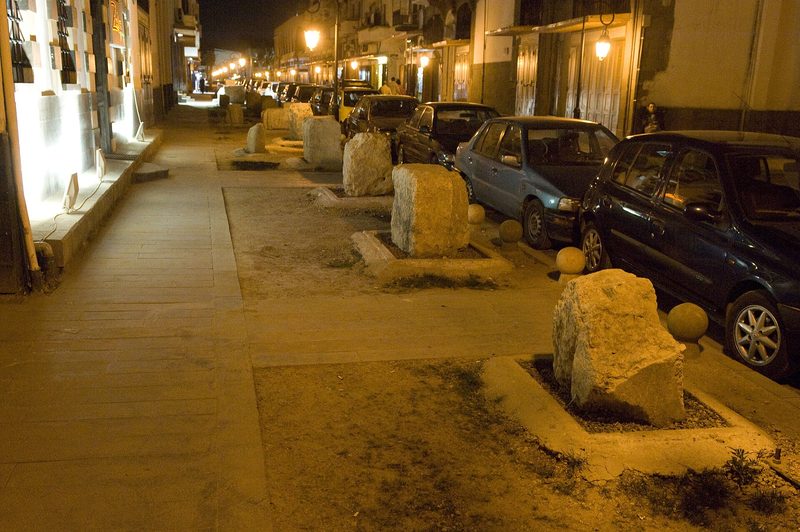
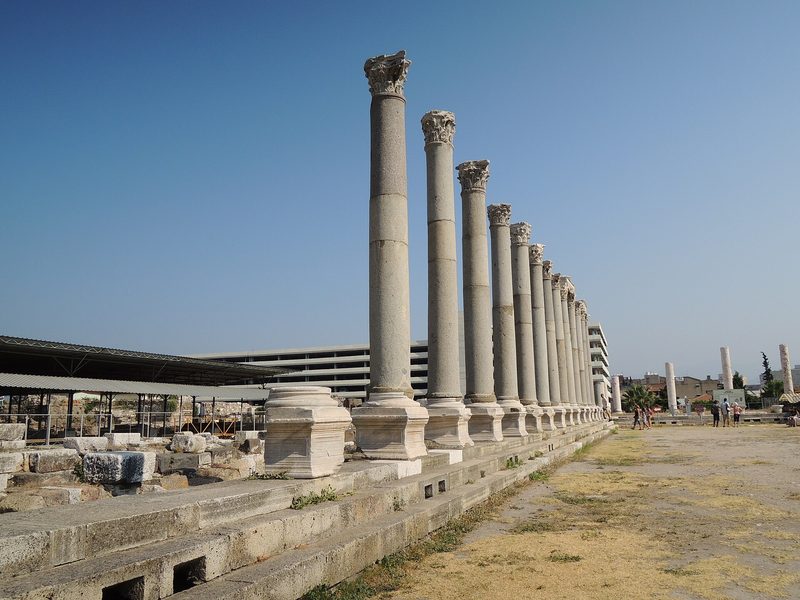
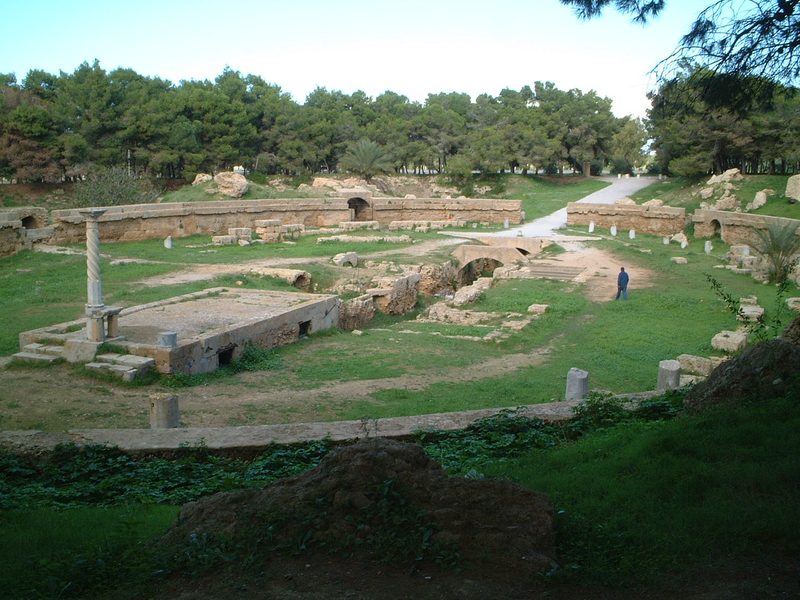
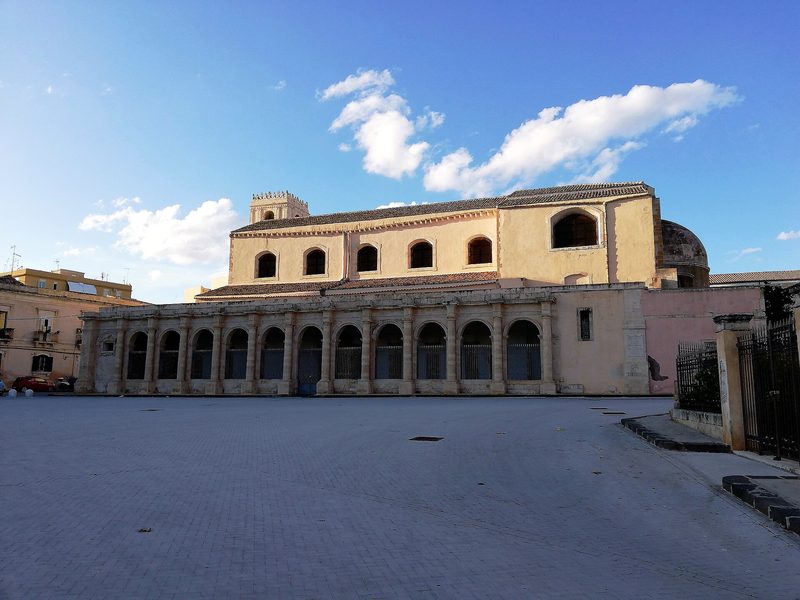
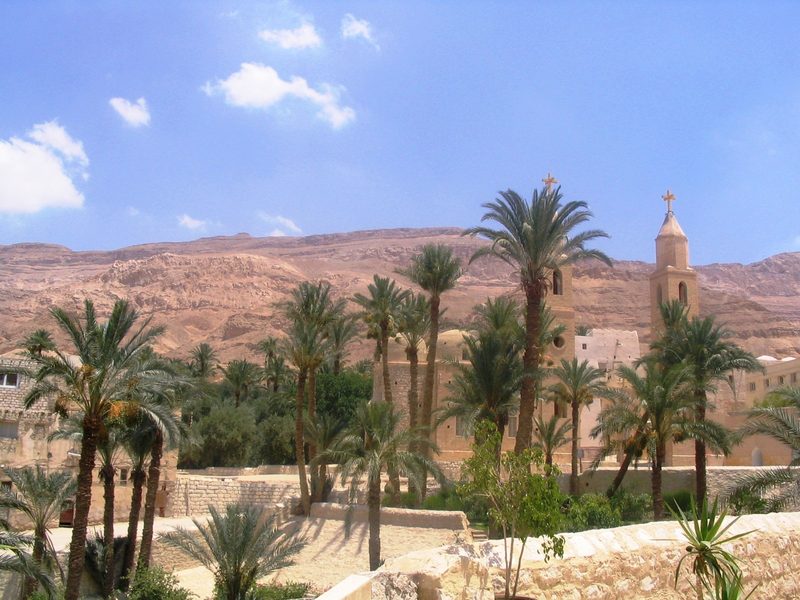
A pilgrimage you can scroll: from a house in Nazareth to the balcony of St Peter’s, and out to the ends of the earth. 77 stops, every one sourced, with photographs of the places as they stand today.
Scroll and the map follows the story. Drag the time slider to see the Church spread from AD 30 to today. Tap a point on the map to jump to its story.
The map needs JavaScript. Every stop is in the story below.
77 stops
AD 30 to 32
The Gospel years
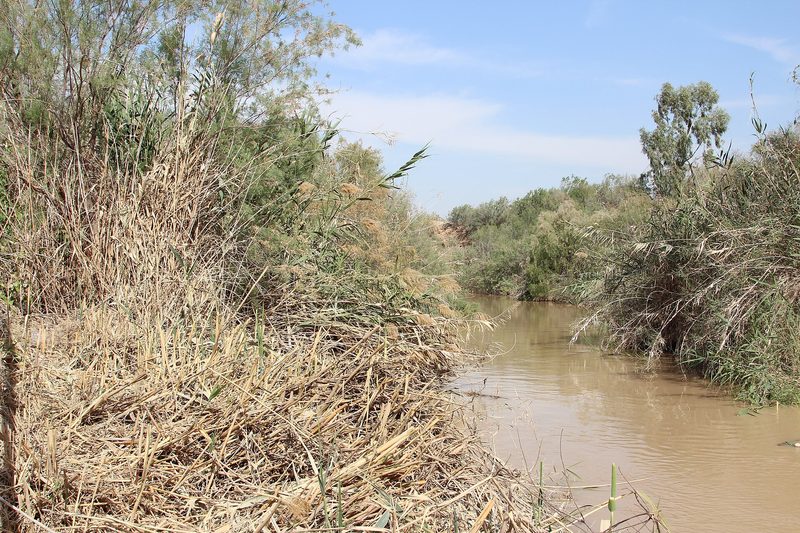
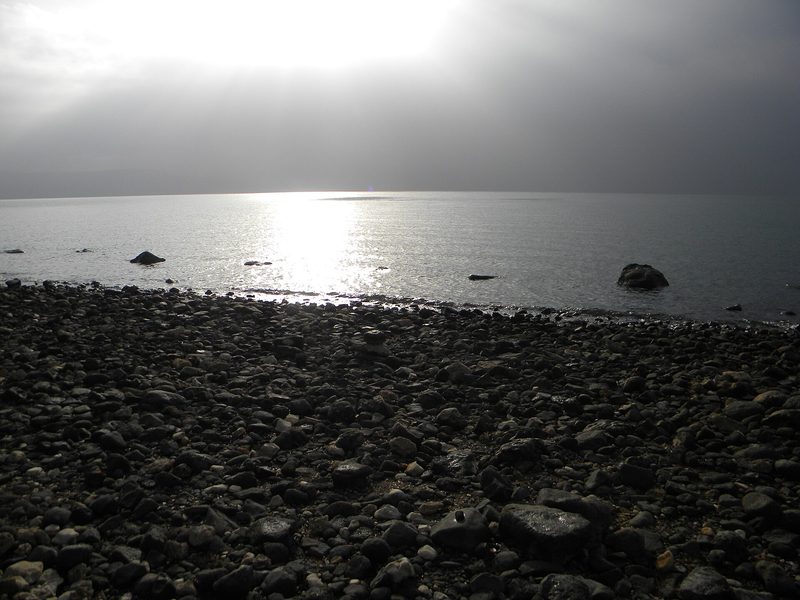
The Church teaches that Jesus’ public life begins with his baptism by John in the Jordan.15
Jesus comes from Nazareth of Galilee and is baptized by John in the Jordan.13
As he comes out of the water the heavens are opened, the Spirit of God descends like a dove, and a voice says: “This is my beloved Son, in whom I am well pleased”.14
The Church teaches that Jesus’ public life begins with his baptism by John in the Jordan.15
Passing by the Sea of Galilee, Jesus sees two fishermen, Simon and his brother Andrew, casting their nets.16
He says to them: “Come after me; and I will make you to become fishers of men”.17
By the same lake he makes the crowd sit on the grass, takes five loaves and two fishes, blesses and breaks them, and feeds the multitude.18
Matthew 4 · Capernaum
His own town
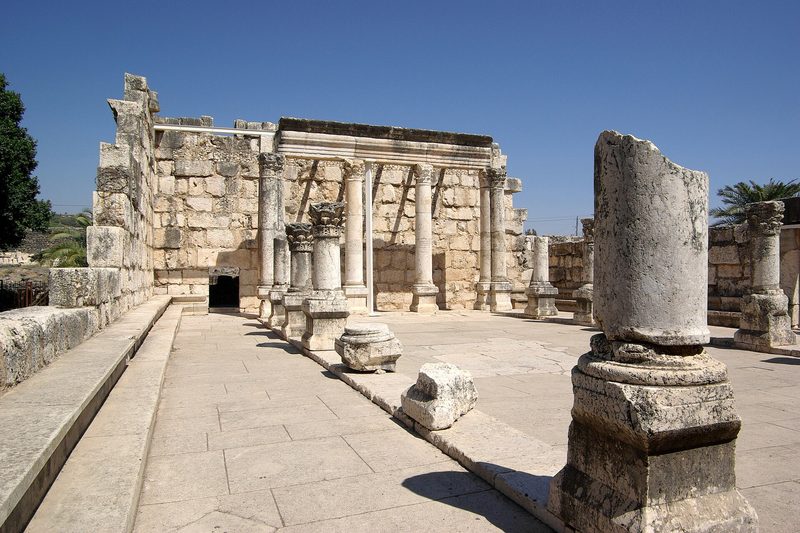
The ruins of the synagogue at Capernaum. Berthold Werner, 2010. Wikimedia Commons, Public domain.
Leaving Nazareth, Jesus comes to live in Capharnaum, on the sea coast.19
On the sabbath he goes into the synagogue there and teaches.20
There he chose his first disciples and cured the centurion’s servant, Peter’s mother-in-law and many others.21
The splendid ruins of a magnificent synagogue still stand on the site.21
Matthew 16 · Caesarea Philippi
Who do you say I am?
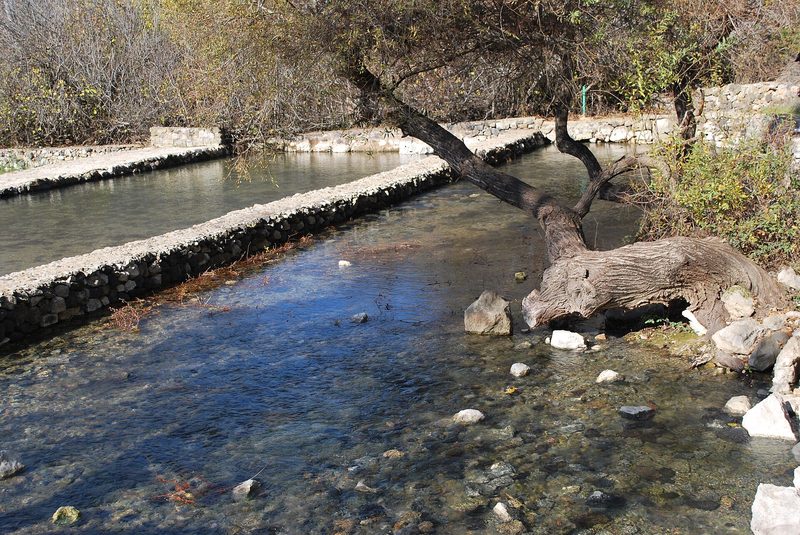
The springs near Banias, the site of Caesarea Philippi, at the foot of Mount Hermon. Bill Rice from Flat Rock, MI, USA, 2011. Wikimedia Commons, CC BY 2.0.
In the district of Caesarea Philippi Jesus asks his disciples: “Whom do men say that the Son of man is?”22
Simon Peter answers: “Thou art Christ, the Son of the living God”.23
Jesus replies: “Thou art Peter; and upon this rock I will build my church, and the gates of hell shall not prevail against it”.24
The Church teaches that Christ made Peter the visible foundation of his Church and entrusted him with the keys.25
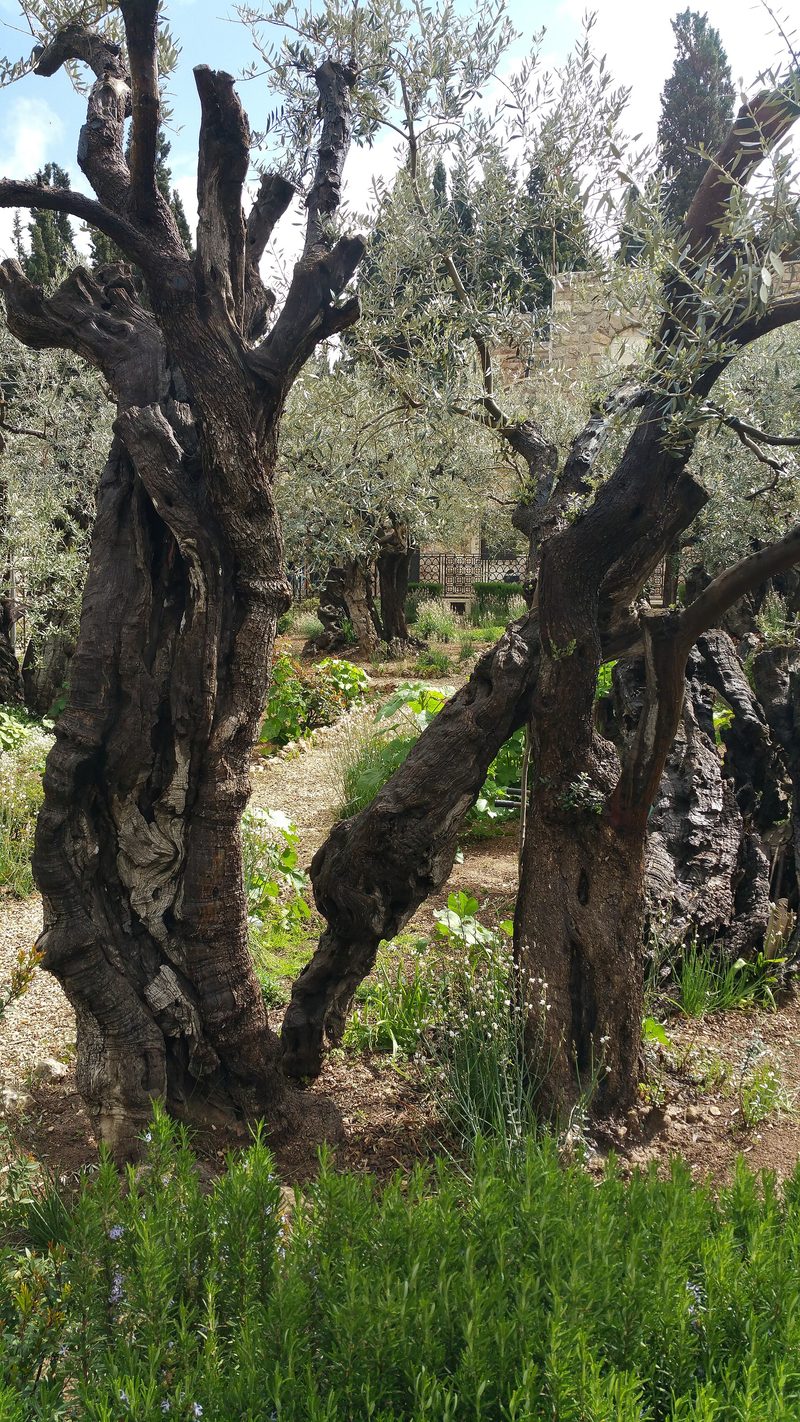
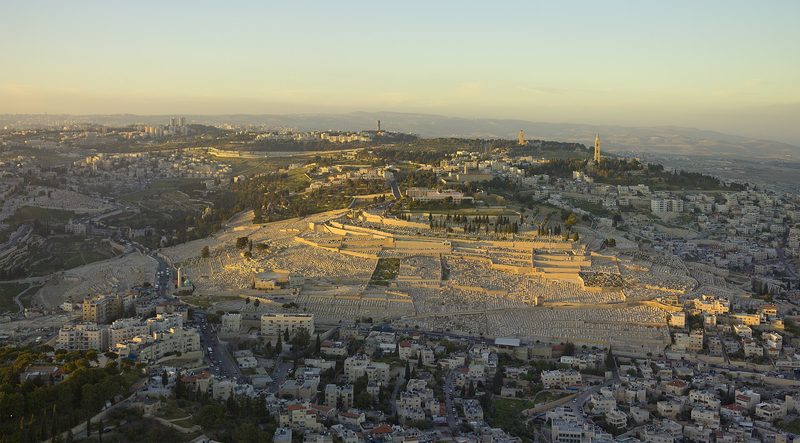
Ancient olive trees in the Garden of Gethsemane. Konrad Summers from Santa Clarita (Valencia) , California, USA, 2016. Wikimedia Commons, CC BY-SA 2.0.
After the supper Jesus goes with his disciples to a place called Gethsemani and says: “Sit you here, while I pray”.26
He prays: “Father, if thou wilt, remove this chalice from me: but yet not my will, but thine be done”.27
The name means oil-press, a sign that the place was planted with olive trees.28
Eusebius says that Gethsemani lay at the foot of the Mount of Olives and that the faithful were accustomed to go there to pray.28
Some teach that Gentile converts cannot be saved unless they are circumcised after the manner of Moses, and Paul and Barnabas go up to the apostles in Jerusalem about the question.53
The apostles and elders assemble, and their letter says: “it hath seemed good to the Holy Ghost and to us”.54,55
The Church teaches that the college of bishops exercises power over the universal Church in a solemn manner in an ecumenical council.56
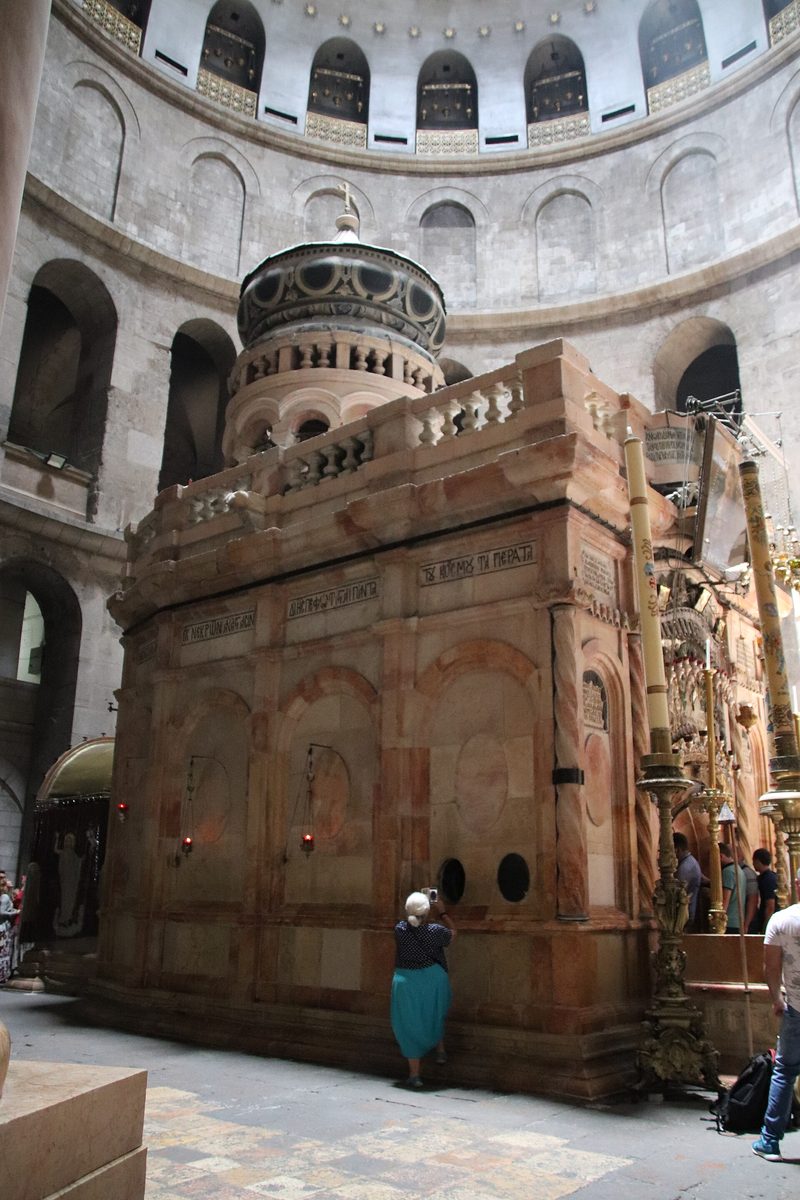
326 to 336 · The Holy Sepulchre, Jerusalem
The tomb is found again
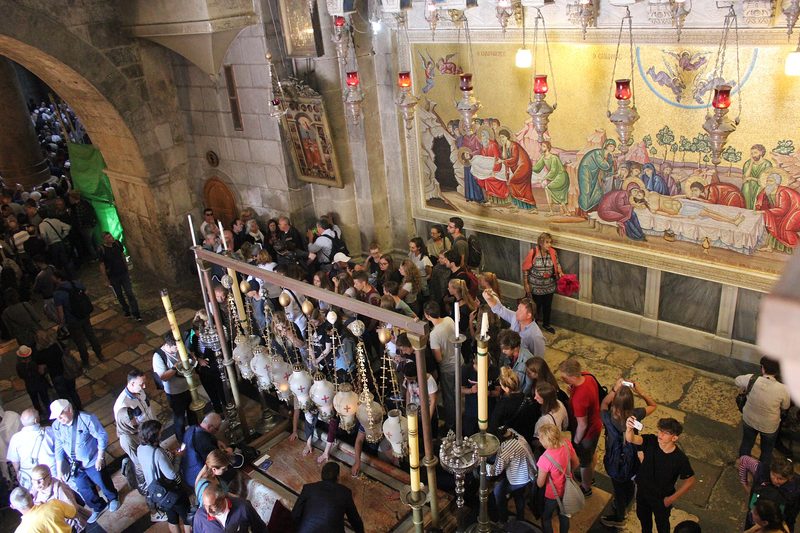
The Aedicule over the tomb, inside the Church of the Holy Sepulchre. Gary Todd from Xinzheng, China, 2018. Wikimedia Commons, CC0.
Constantine sent his mother Helena to Jerusalem with letters and money for Macarius, the Bishop of Jerusalem.57
Helena and Macarius turned to the place of the Passion and Resurrection, then covered by a temple of Venus built by the Romans.57
“beyond the hopes of all, the most holy monument of Our Lord’s Resurrection shone forth”
Constantine marked the site by building a basilica over the Tomb of Christ, dedicated in 336.57
The church of the Holy Sepulchre stands there today.57
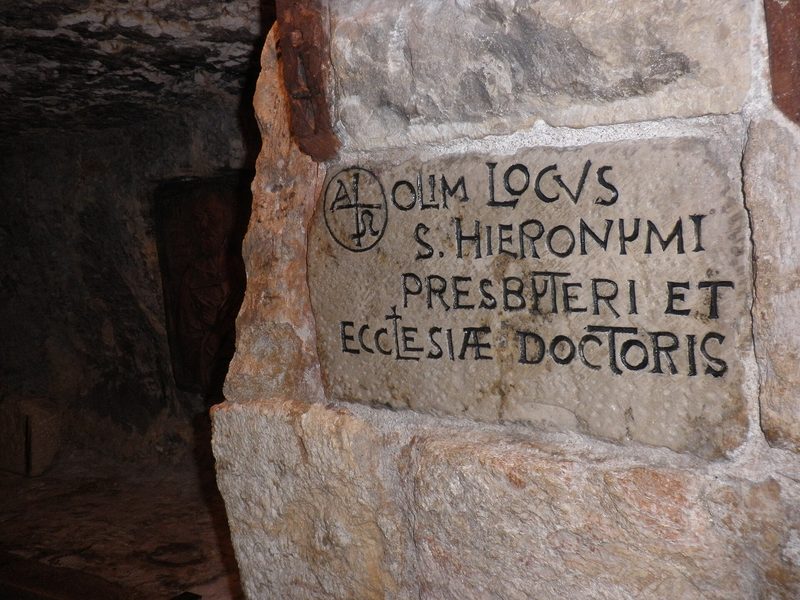
386 to 420 · Bethlehem
A scholar in the caves
Inscription at the grave of St Jerome, in the caves beneath the Church of the Nativity. Qasinka, 2013. Wikimedia Commons, CC BY-SA 3.0.
After the death of Pope Damasus, Jerome leaves Rome and by way of Antioch and Alexandria reaches Bethlehem in 386.58
In Bethlehem he translates the Old Testament from the Hebrew.58
The Catechism quotes him: ignorance of the Scriptures is ignorance of Christ.59
Ancient writers agree that Peter died a martyr in Rome under the emperor Nero.62
“Peter was crucified at Rome with his head downwards, as he himself had desired to suffer”
Around the year 200 a Roman Christian named Gaius said he could point to the apostles’ monuments on the Vatican Hill and on the road to Ostia.67
“But I can show the trophies of the apostles”
The Catholic Church holds that the pope, the Bishop of Rome, is Peter’s successor and the perpetual, visible source of the unity of the bishops and of the faithful.68
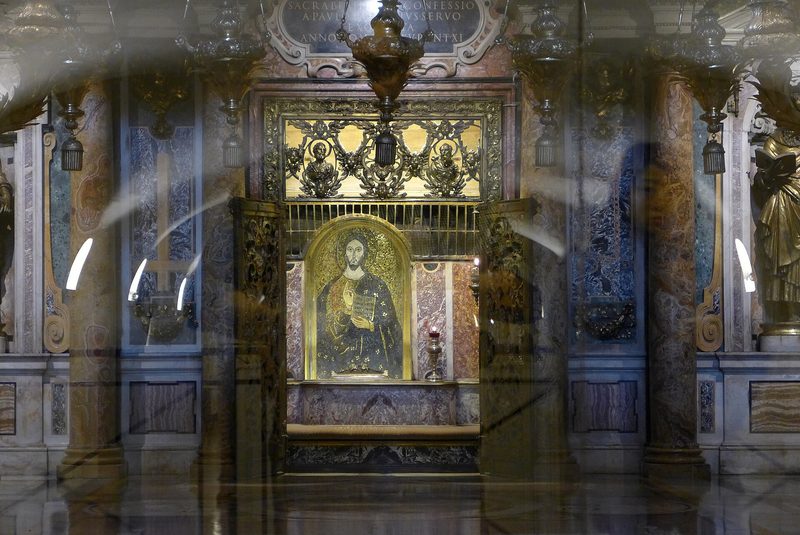
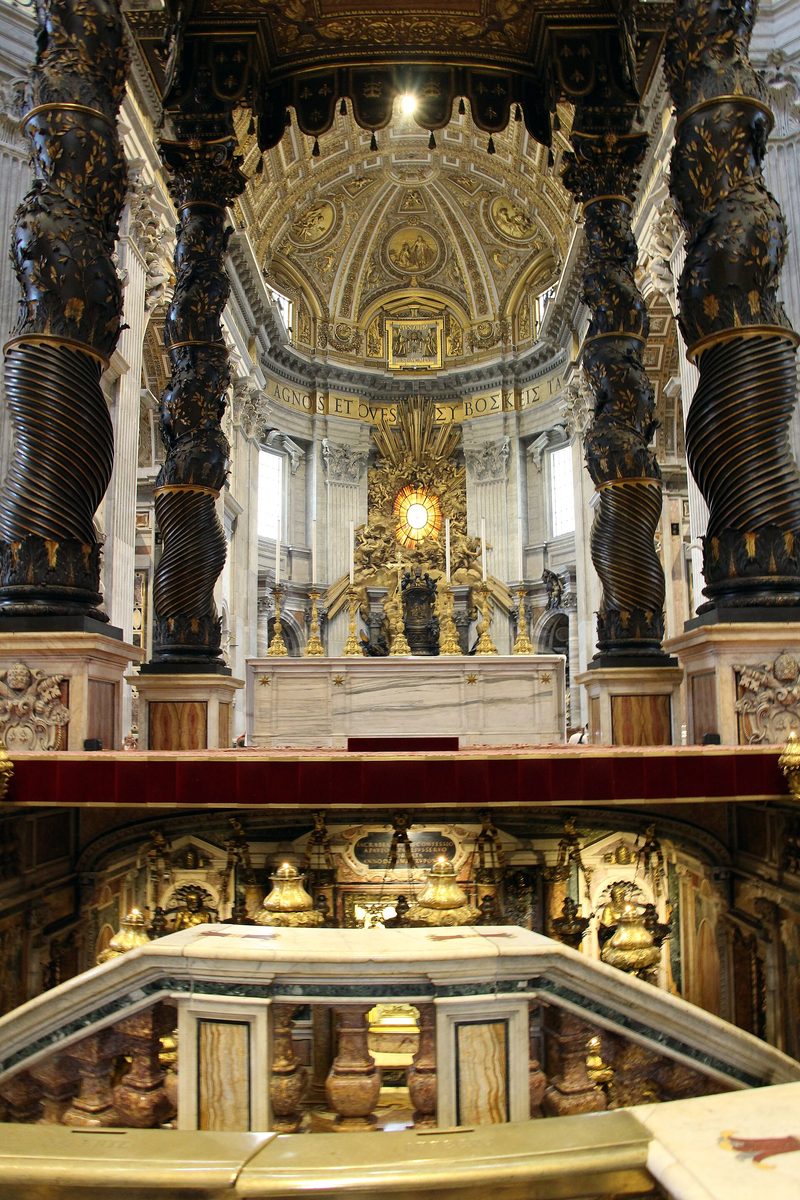
The Confessio in front of the high altar, above the tomb. Fred Romero from Paris, France, 2018. Wikimedia Commons, CC BY 2.0.
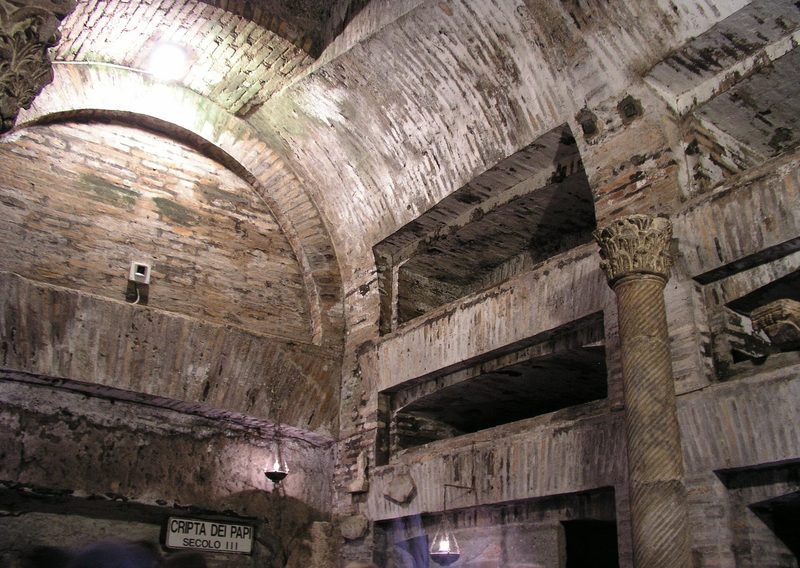
When Zephyrinus became pope, a former slave named Callistus was set over the cemetery belonging to the Church, which has borne his name ever since.72
In that catacomb, beside the crypt of the popes, the archaeologist De Rossi located the grave of the martyr Cecilia.73
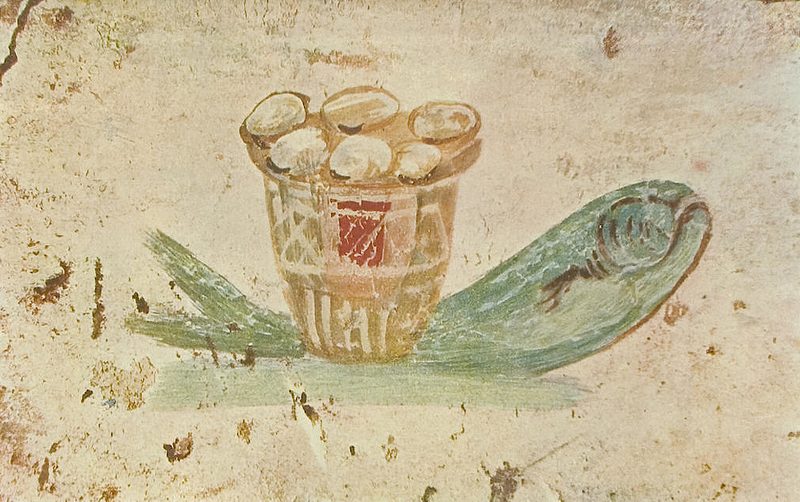
In the catacomb paintings, bread and fish, the food with which Christ fed the multitude, were an allusion to the Eucharistic meal.74
From the third century on the fish appears as the symbol of Christ.74
Loaves and fish, painted in the Crypt of Lucina in the same catacomb, early second century. Unknown painter, 2nd century; photograph published by Joseph Wilpert, 1903. Wikimedia Commons, Public domain.
In the spring of 312 Constantine marches rapidly into Italy against Maxentius, with an army far smaller than his rival’s.77
They meet near the bridge over the Tiber called the Milvian Bridge, and on 28 October Maxentius is defeated and loses his life in the river.77
The victor at once showed his gratitude to the God of the Christians: early in 313 the Edict of Milan tolerated Christian worship throughout the empire.77
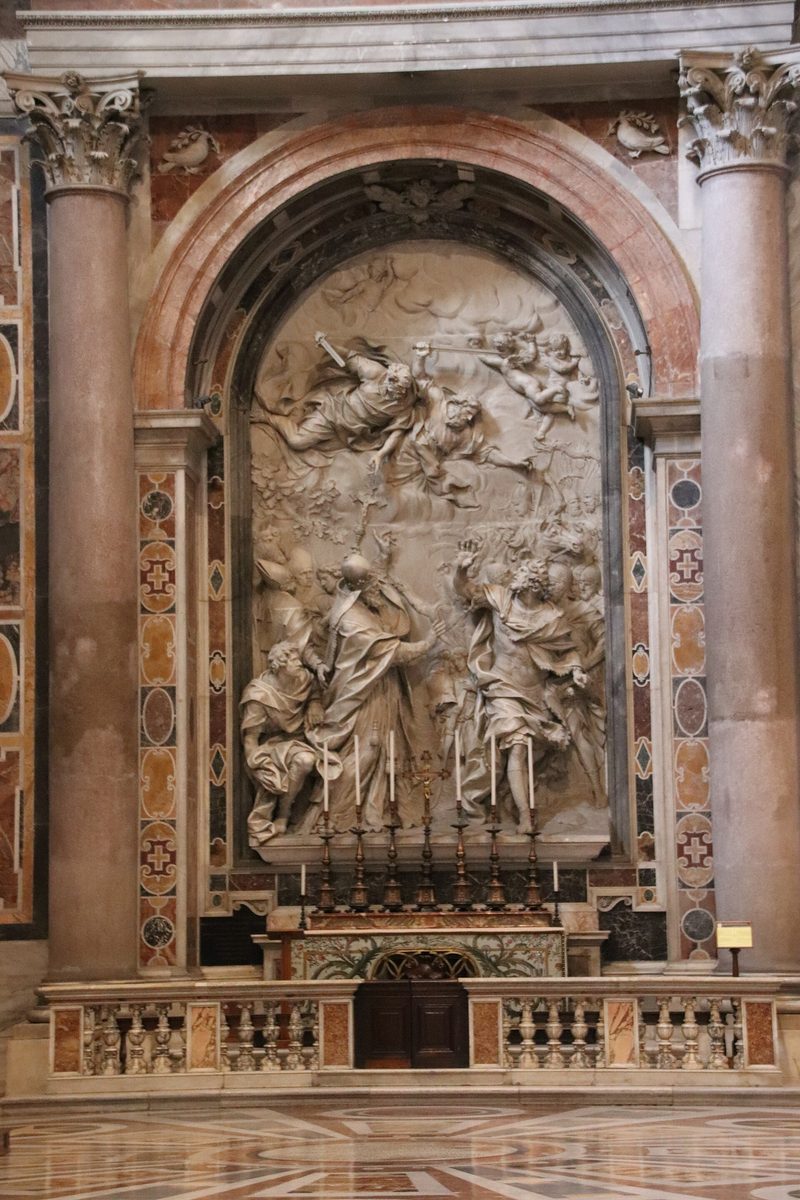
Algardi’s marble relief of Leo meeting Attila, on the altar of St Leo in St Peter’s Basilica. Gary Todd from Xinzheng, China, 2019. Wikimedia Commons, Public domain.
Attila’s army has torn through northern Italy, and Rome is next.80
Leo goes out with two Roman officials to meet Attila near Mantua, and obtains his promise to withdraw from Italy.80
In 455, when the Vandals captured Rome, Leo’s intercession won a promise that the city’s people would be spared.80
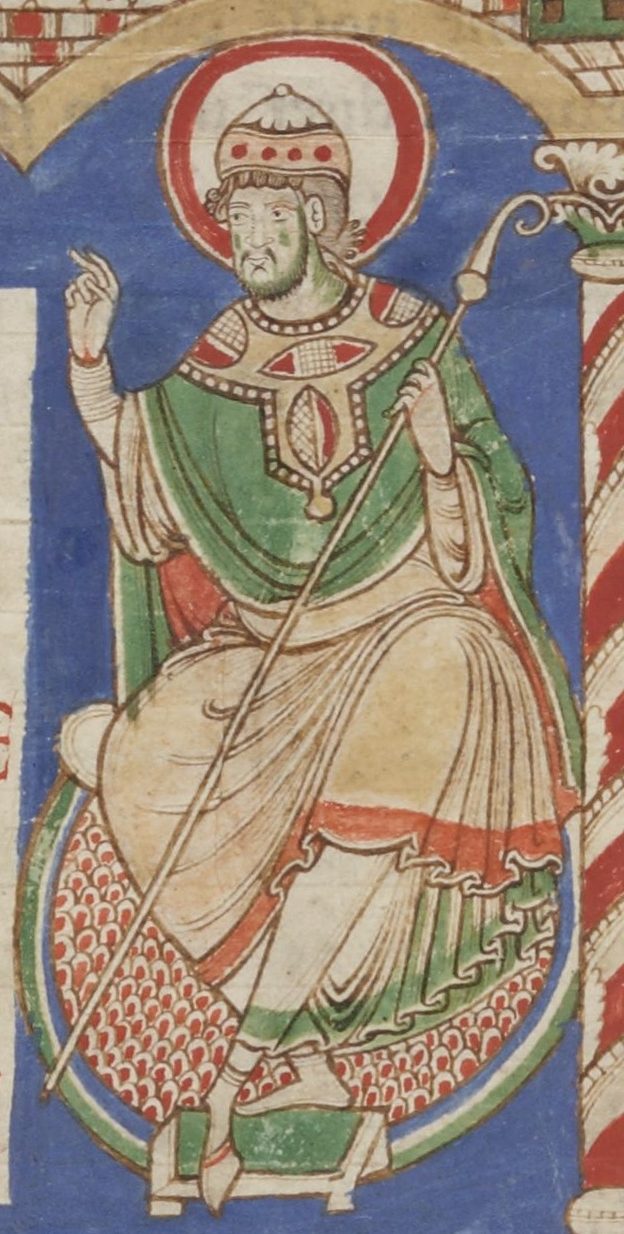
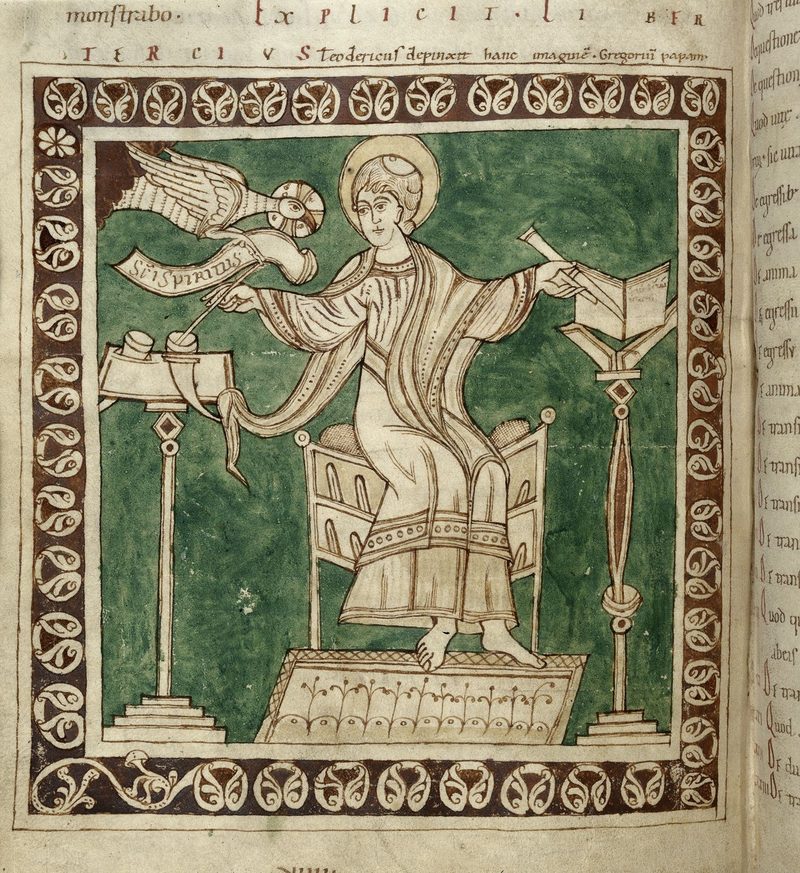
St Gregory the Great with the Holy Spirit as a dove. British Library. Wikimedia Commons, CC0.
Plague is killing Rome, and it has just killed the pope.81
Gregory called the people to a sevenfold procession, starting from the seven regions of the city and meeting at the Basilica of the Blessed Virgin, praying for the plague to end.81
As pope he sent the monk Augustine and his companions to the English.81
On a mountain in Galilee, the risen Jesus sends out the eleven: “Going therefore, teach ye all nations”.92,93
Here the journey goes out with them, one saint at a time: Asia Minor and Africa, the monasteries of Europe, the Americas, Asia and the death camps of the last century.
about 69 to about 155 · Smyrna, Asia Minor
St Polycarp
An old bishop walks into the stadium at Smyrna, where a great crowd is waiting.94
The proconsul urges him to curse Christ and go free.94
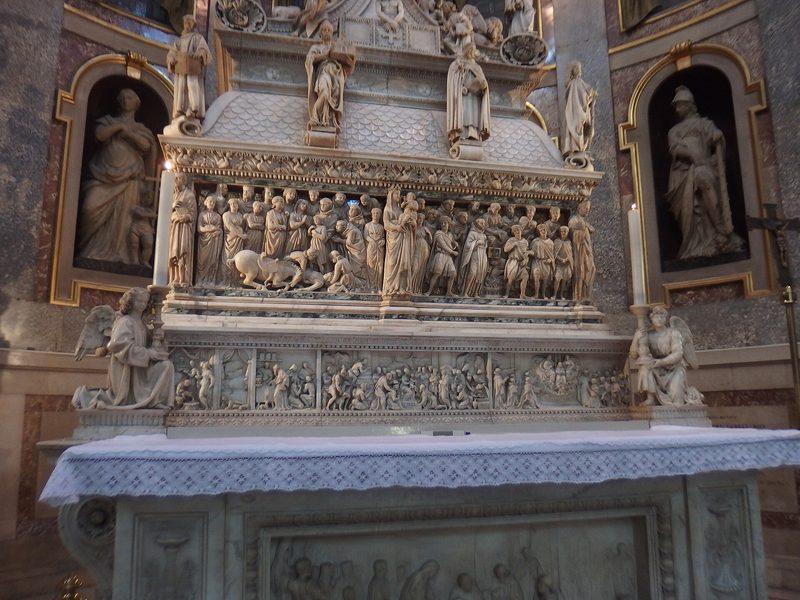
At an ordination in Forlì, no one has been chosen to preach.109
A quiet Portuguese friar is ordered to speak; he begins slowly and timidly, then opens the Scriptures with such learning that all are struck with astonishment.109
Manfredonia (Italian Wikipedia), derivative work by MisterNox, 1947. Wikimedia Commons, Public domain.
Still to come
Further chapters are being prepared at the same depth: Asia Minor and Greece, North Africa, the monasteries and cathedrals of Europe, the Americas, and Asia and Africa. Until then, read the early Church time machine, the popes and the saints.
Catholic Encyclopedia (1913), “St. Polycarp”. New Advent edition. newadvent.org
Catholic Encyclopedia (1913), “Sts. Felicitas and Perpetua”. New Advent edition. newadvent.org
Catholic Encyclopedia (1913), “St. Lucy”. New Advent edition. newadvent.org
Catholic Encyclopedia (1913), “St. Anthony”. New Advent edition. newadvent.org
Catholic Encyclopedia (1913), “Saint Monica”. New Advent edition. newadvent.org
Catholic Encyclopedia (1913), “St. Ambrose”. New Advent edition. newadvent.org
Catholic Encyclopedia (1913), “St. Augustine of Hippo”. New Advent edition. newadvent.org
Catholic Encyclopedia (1913), “St. Patrick”. New Advent edition. newadvent.org
St Gregory the Great, Dialogues, Book II: the Life of St Benedict (c. 593). 1608 translation, revised by E. G. Gardner (1911). tertullian.org
Pope Francis, Message to the Armenian people, 12 April 2015. Holy See, official English text. vatican.va
Catholic Encyclopedia (1913), “Pope St. Gregory VII”. New Advent edition. newadvent.org
Catholic Encyclopedia (1913), “St. Bernard of Clairvaux”. New Advent edition. newadvent.org
Pope Benedict XVI, Apostolic Letter proclaiming St Hildegard of Bingen a Doctor of the Church, 7 October 2012. Holy See, official English text. vatican.va
Catholic Encyclopedia (1913), “St. Dominic”. New Advent edition. newadvent.org
Catholic Encyclopedia (1913), “St. Francis of Assisi”. New Advent edition. newadvent.org
Catholic Encyclopedia (1913), “St. Anthony of Padua”. New Advent edition. newadvent.org
Catholic Encyclopedia (1913), “St. Clare of Assisi”. New Advent edition. newadvent.org
Catholic Encyclopedia (1913), “St. Thomas Aquinas”. New Advent edition. newadvent.org
Catholic Encyclopedia (1913), “Shrine of Guadalupe”. New Advent edition. newadvent.org
Catholic Encyclopedia (1913), “St. Thomas More”. New Advent edition. newadvent.org
Catholic Encyclopedia (1913), “St. John Fisher”. New Advent edition. newadvent.org
Catholic Encyclopedia (1913), “St. Francis Xavier”. New Advent edition. newadvent.org
Catholic Encyclopedia (1913), “St. Ignatius Loyola”. New Advent edition. newadvent.org
Pope Benedict XVI, Apostolic Letter proclaiming St John of Avila a Doctor of the Church, 7 October 2012. Holy See, official English text. vatican.va
Catholic Encyclopedia (1913), “St. Teresa of Jesus (Teresa of Avila)”. New Advent edition. newadvent.org
Catholic Encyclopedia (1913), “St. John of the Cross”. New Advent edition. newadvent.org
Catholic Encyclopedia (1913), “Japanese Martyrs”. New Advent edition. newadvent.org
Catholic Encyclopedia (1913), “St. Rose of Lima”. New Advent edition. newadvent.org
Catholic Encyclopedia (1913), “St. Francis de Sales”. New Advent edition. newadvent.org
Catholic Encyclopedia (1913), “St. Vincent de Paul”. New Advent edition. newadvent.org
Catholic Encyclopedia (1913), “St. John Vianney”. New Advent edition. newadvent.org
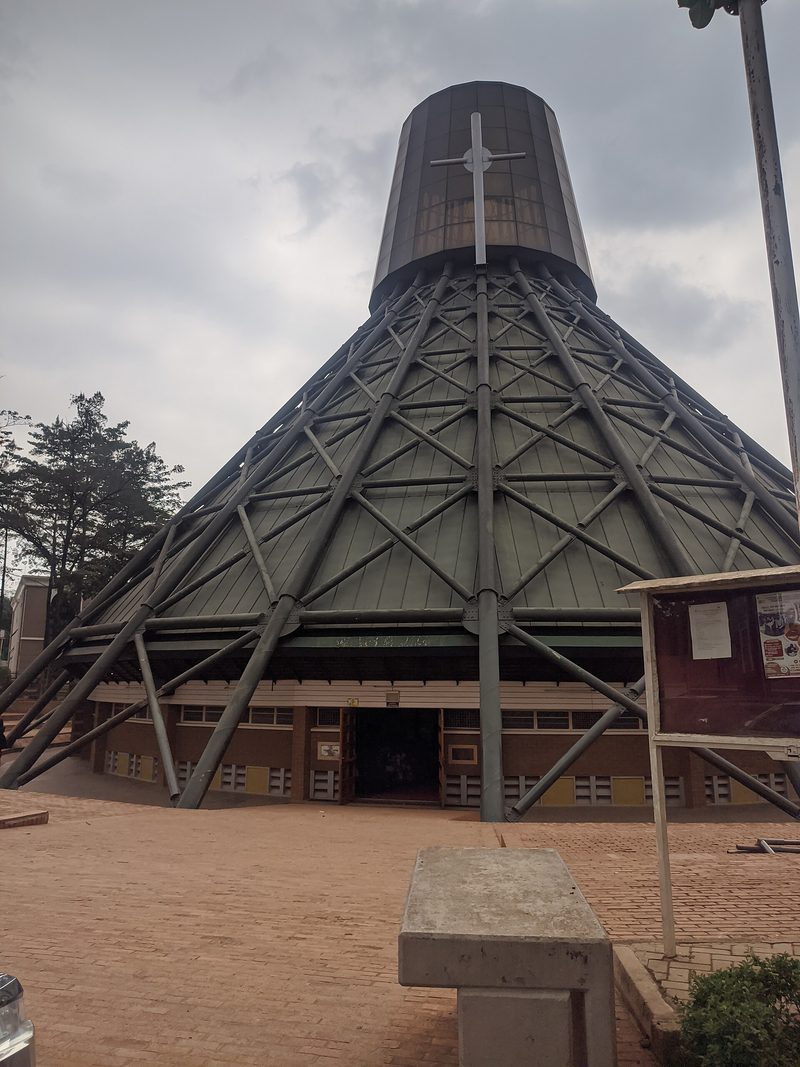
Pope Francis, Homily at the Shrine of the Uganda Martyrs, Namugongo, 28 November 2015. Holy See, official English text. vatican.va
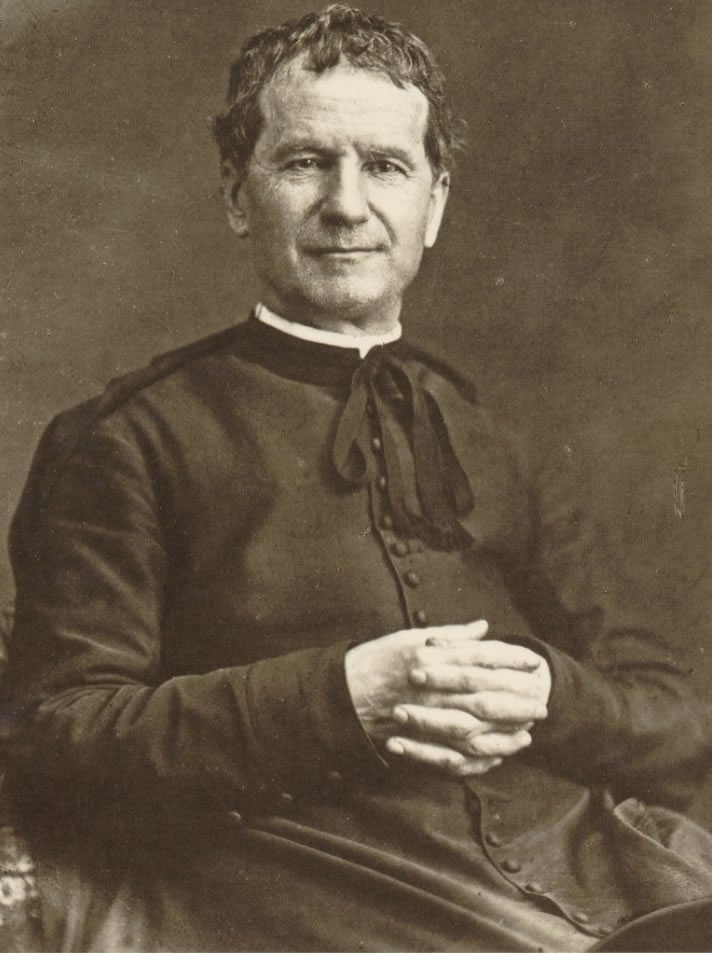
Catholic Encyclopedia (1913), “St. John Bosco (Don Bosco)”. New Advent edition. newadvent.org
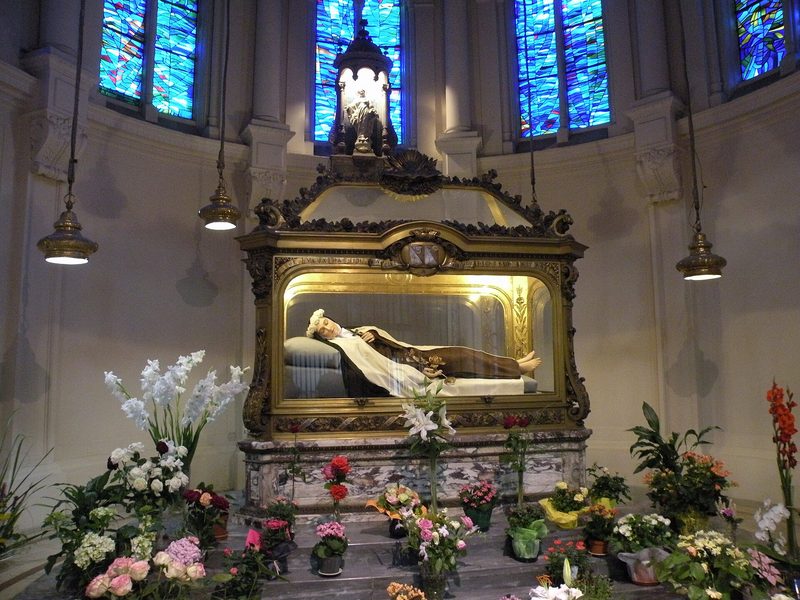
Pope St John Paul II, Apostolic Letter Divini Amoris Scientia, 19 October 1997. Holy See, official English text. vatican.va
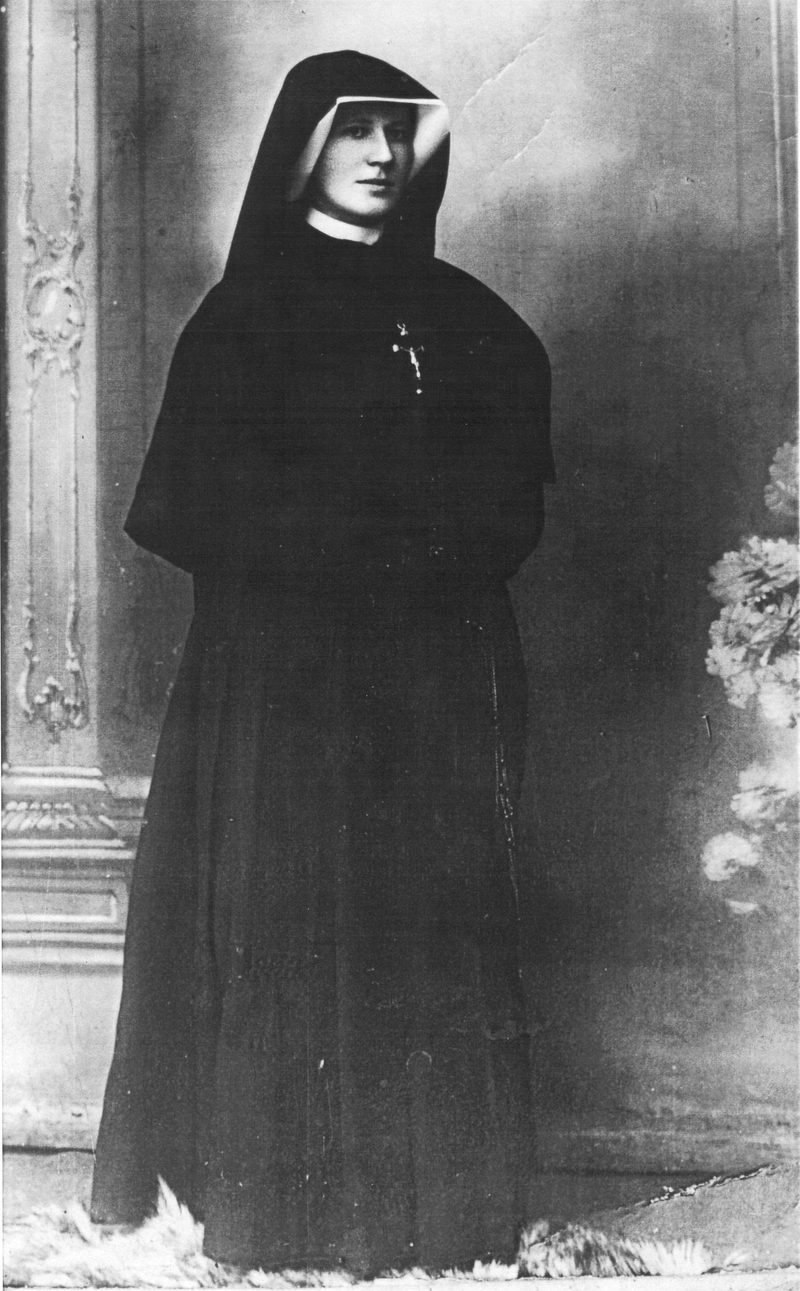
Pope St John Paul II, Homily for the canonization of Faustina Kowalska, 30 April 2000. Holy See, official English text. vatican.va
Pope St John Paul II, Homily at the Auschwitz-Birkenau concentration camp, 7 June 1979. Holy See, official English text. vatican.va
Pope St John Paul II, Homily for the canonization of Edith Stein, 11 October 1998. Holy See, official English text. vatican.va
Pope Benedict XVI, Encyclical Spe Salvi, 30 November 2007. Holy See, official English text. vatican.va
Pope St John Paul II, Homily for the canonization of Padre Pio, 16 June 2002. Holy See, official English text. vatican.va
Catechism of the Catholic Church, paragraph 2473. vatican.va
The Catholic Encyclopedia (1913) is in the public domain; we quote the New Advent edition. Texts of the Holy See are quoted briefly from vatican.va. Scripture: Douay-Rheims, Challoner revision (public domain). Photographs: Wikimedia Commons, credited under each image; full list on the photo credits page. Report an error.