
Home / The popes / Boniface VIII
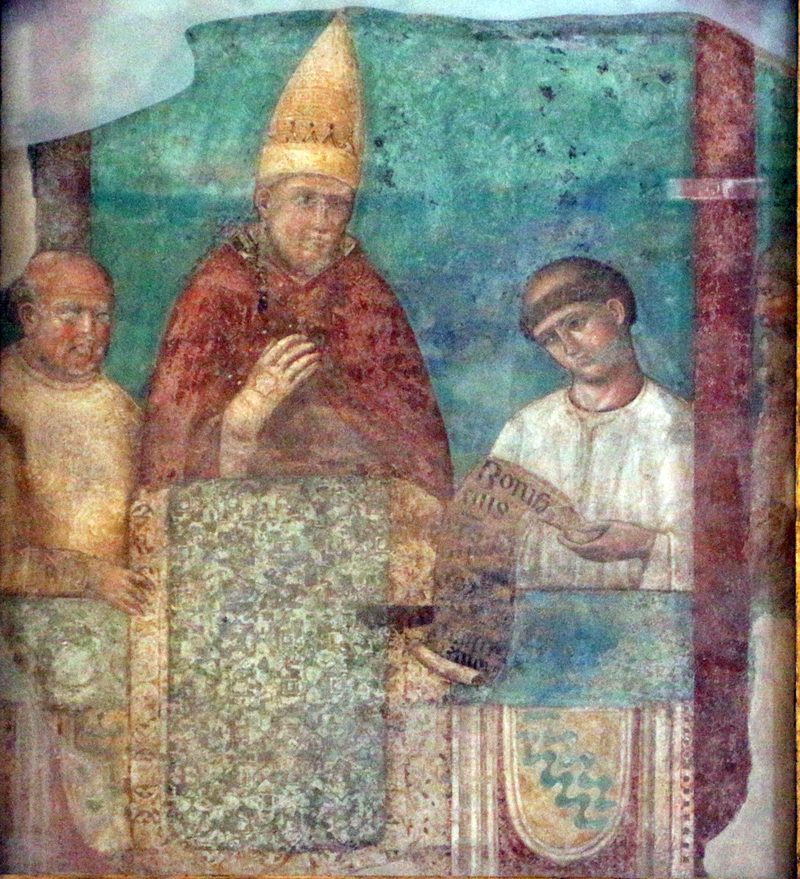
Rome, 1300
Pilgrims are pouring into Rome in their thousands.1
Pope Boniface VIII has proclaimed the first Holy Year, promising a special pardon to those who come to the tombs of the apostles.1
Three years later, French soldiers would break into his palace.
01Boniface VIII
An unusual election
Boniface was elected after the hermit-pope Celestine V resigned in 1294.1
The Catholic Encyclopedia records that the idea of resigning began with Celestine himself, and that Boniface was at most a counsellor.1
02Boniface VIII
Anagni
Boniface clashed with King Philip IV of France over the rights of the Church, and in 1302 issued the bull Unam Sanctam.1
In 1303 the king’s agents seized the old pope in his palace at Anagni; he was freed by the townspeople but died in Rome soon after.1
Some called him proud; his defenders called him brave. Either way, the next popes would leave Rome altogether.
For seventy years, the popes lived in France.
Notes
- Catholic Encyclopedia (1913), “Pope Boniface VIII”. New Advent edition. newadvent.org
The Catholic Encyclopedia (1913) is in the public domain; we quote the New Advent edition. Texts of the Holy See are quoted briefly from vatican.va. Scripture: Douay-Rheims, Challoner revision (public domain). Photographs: Wikimedia Commons, credited under each image; full list on the photo credits page.
Lines in the narrator’s voice, without a note, are our reflection, not a historical claim. Stone & Incense restates Church teaching in plain words; our wording is not an official Church text. Report an error.